Cha chaan teng: Hong Kong-style cafés
Milk tea, egg tarts and long, cheap menus: a plain-English guide to Hong Kong's tea restaurants and how to order in one.
What is a cha chaan teng?
A cha chaan teng (茶餐廳) is a kind of Cantonese restaurant that started in Hong Kong. In English it is often called a Hong Kong-style café or diner. The name means "tea restaurant". The "tea" is cheap black tea, served free or with a meal, which set these places apart from Western restaurants that served water.
The menu is long, cheap and mixed. Hong Kong dishes sit next to Hong Kong-style versions of Western ones, so you can order noodle soup, toast and a set lunch at the same table. You will find cha chaan teng in Hong Kong, Macau and parts of Guangdong. After waves of migration from Hong Kong in the 1980s, they also opened in Chinatowns in Australia, Canada, the UK and the US.
A short history
In the 1920s a meal at a Western restaurant in Hong Kong could cost up to $10, while a local worker earned $15 to $50 a month. Western food was out of reach for most people.
That changed in the 1950s and 1960s. Incomes rose, and two older kinds of eatery grew into the cha chaan teng: "soy sauce Western restaurants", which cooked Western dishes for local tastes, and bing sutt (冰室, "ice rooms"), which sold cold drinks and light snacks. During the 1997 Asian financial crisis, cha chaan teng became even more popular, because they still offered some of the cheapest meals in town.
Smoking indoors in restaurants has been banned in Hong Kong since 1 January 2007, so today's cafés are smoke-free.
Milk tea, the house drink
Hong Kong-style milk tea is black tea, usually Ceylon, mixed with evaporated or condensed milk and sugar. It grew out of British afternoon tea in the mid-20th century. Local cafés swapped fresh milk for evaporated milk, which was cheaper and richer.
The tea is strained through a cotton bag. Over time the bag turns brown and looks like a stocking, which is why people call it "silk stocking" milk tea. The dai pai dong Lan Fong Yuen says its owner, Lum Muk-ho, invented the silk stocking method in 1952, and that claim is widely accepted. Industry estimates put Hong Kong's milk tea habit at about 2.5 million cups a day.
Other drinks you will see on the board:
- Yuenyeung (鴛鴦): milk tea mixed with coffee.
- Iced lemon tea (凍檸茶).
- Lemon with honey, Ribena or 7 Up, black coffee, sweet soy milk and red bean ice.
- Snow White: Sprite or 7 Up with a scoop of vanilla ice cream.
In 2017 Hong Kong's Leisure and Cultural Services Department recognised the milk tea making technique as part of the city's intangible cultural heritage.
What to eat
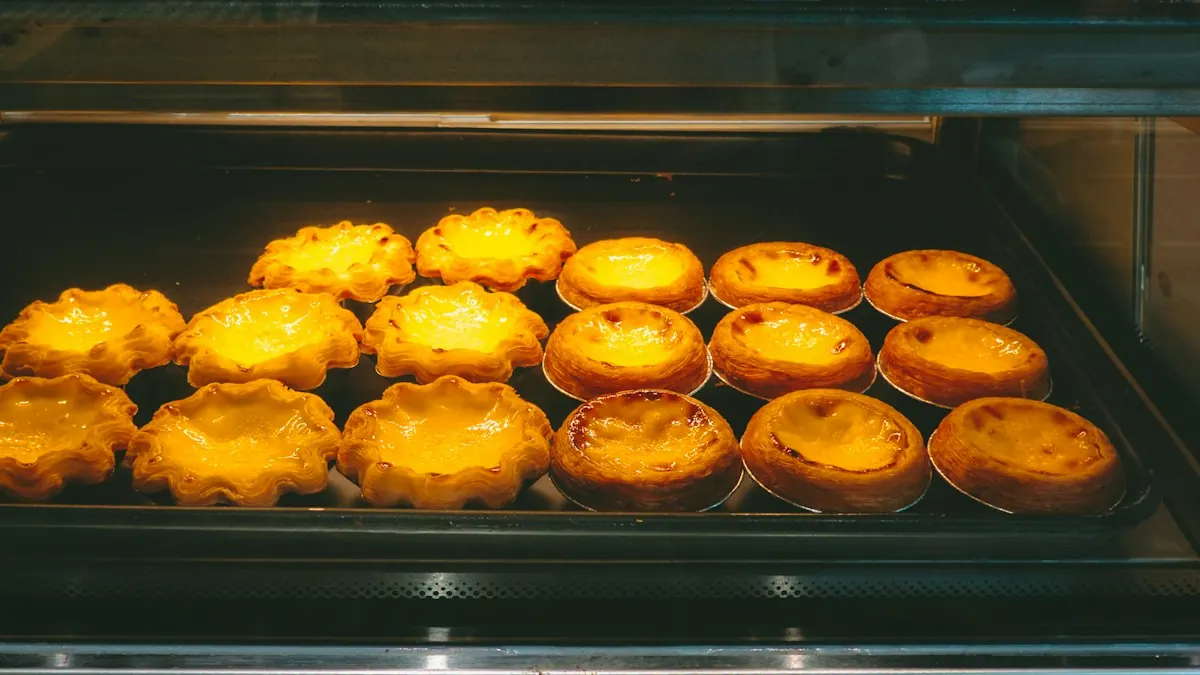
- Pineapple buns and egg tarts: the two bakery classics.
- Hong Kong-style French toast.
- Macaroni in soup and instant noodles.
- Sandwiches with egg, ham or luncheon meat, usually on soft white bread.
- Baked pork chop rice, plus fried rice and fried noodle dishes.
- Wonton and fish ball noodle soups.
In June 2014, milk tea, yuenyeung, pineapple buns and egg tarts were added to Hong Kong's first Intangible Cultural Heritage Inventory.
How to order
Most cafés sell set meals for breakfast, lunch, afternoon tea and dinner. Lunch and dinner sets usually come with soup and a drink. A cold drink, or toasting your bread, often costs a little extra.
Staff write orders in a fast shorthand. 反 stands for white rice and "0T" for lemon tea. A few phrases help when you order:
- zau bing: no ice.
- gaa dai: extra rice or noodles.
- caa zau: milk tea made with condensed milk instead of evaporated milk.
Service is quick. Dishes often arrive about five minutes after you order, and a table turns over every 10 to 20 minutes. At busy times you may be asked to daap toi, which means sharing a table with people who are already eating. It is normal, so just nod and sit down.
Want something sweet after your meal? Read our guide to Hong Kong sweet soup and dessert shops.
Frequently asked questions
What does cha chaan teng mean?
It means "tea restaurant". The tea is cheap black tea, which set these cafés apart from Western restaurants that served water.
Why is it called silk stocking milk tea?
The tea is strained through a cotton bag. The bag turns brown with use and looks like a stocking, so people nicknamed the drink "silk stocking" milk tea.
What is yuenyeung?
Yuenyeung is Hong Kong milk tea mixed with coffee. It was added to Hong Kong's first Intangible Cultural Heritage Inventory in 2014, with milk tea, pineapple buns and egg tarts.
- Wikipedia, Cha chaan teng: https://en.wikipedia.org/wiki/Cha_chaan_teng
- Wikipedia, Hong Kong-style milk tea: https://en.wikipedia.org/wiki/Hong_Kong-style_milk_tea